Fate of the Minotaur - Location based VR Experience
Immersive Research-Driven VR Experience
EU-Funded Immersive Media Research
Fate of the Minotaur was developed by an interdisciplinary research team working at the intersection of film, real-time technology, and immersive media. The team operated within a European research framework, combining academic research goals with production-level execution. This environment enabled experimentation with emerging VR workflows, multiplayer systems, and in-house technologies while targeting real-world exhibition contexts rather than purely theoretical outcomes.
What “Location-Based Multiplayer VR” Means
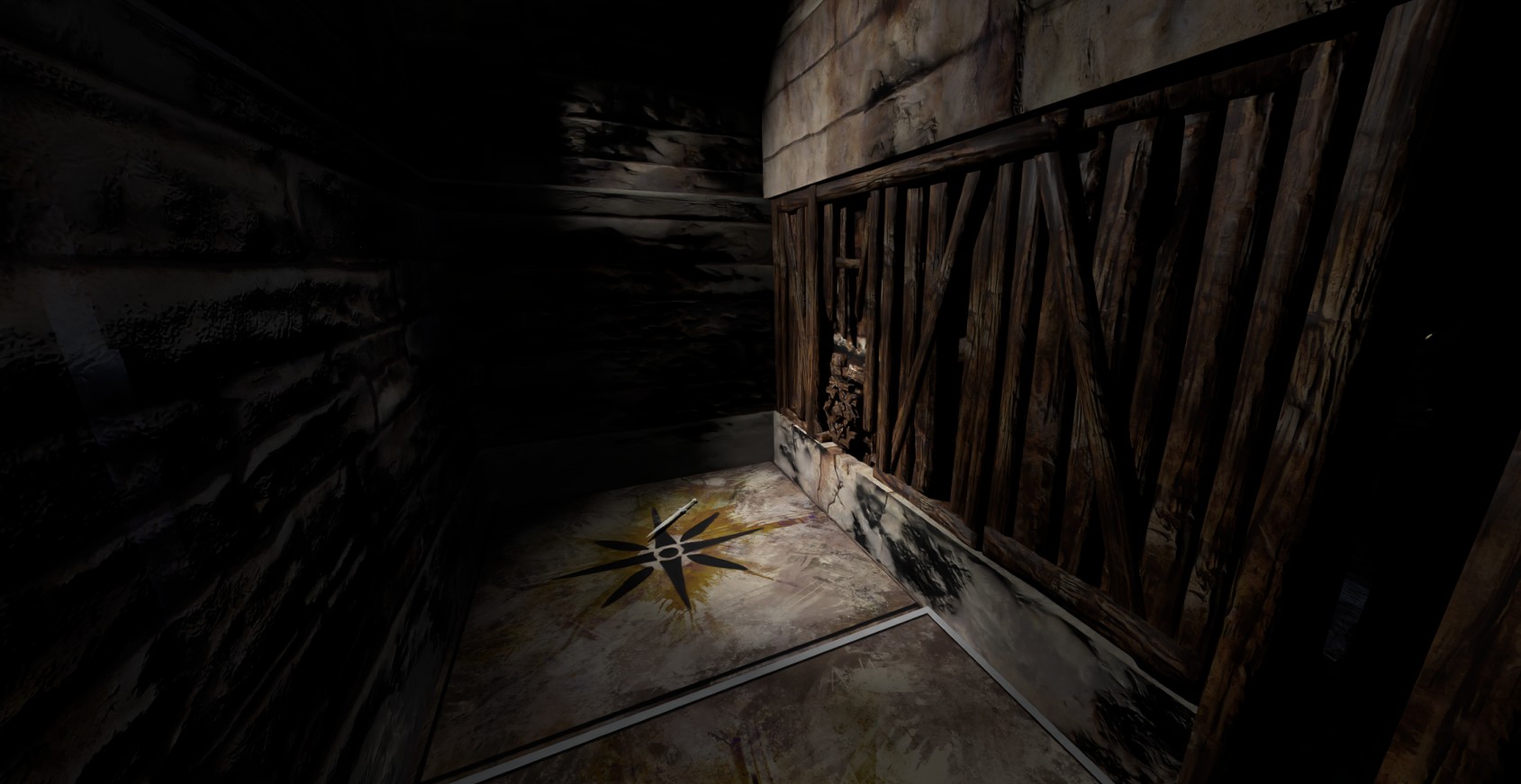
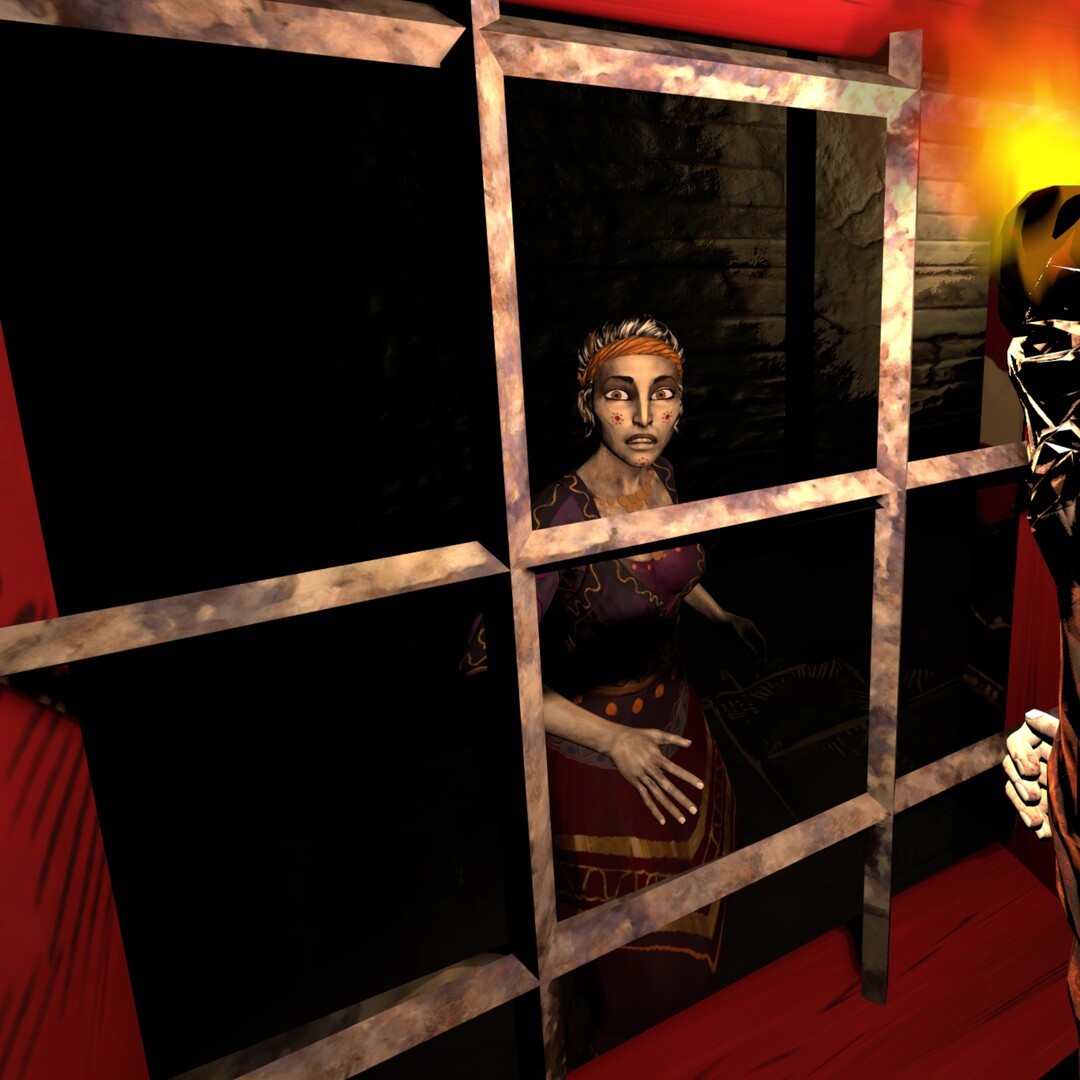
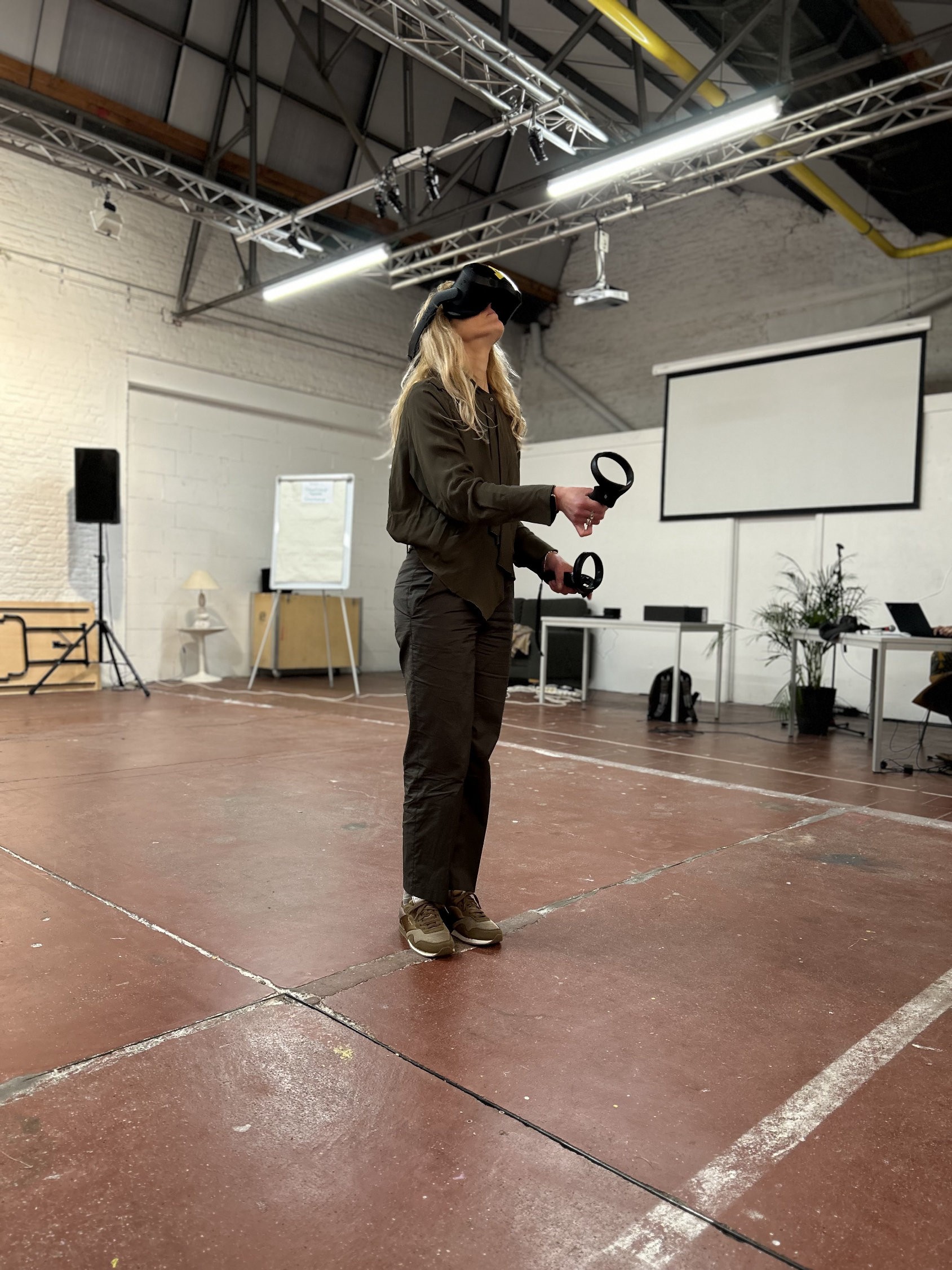
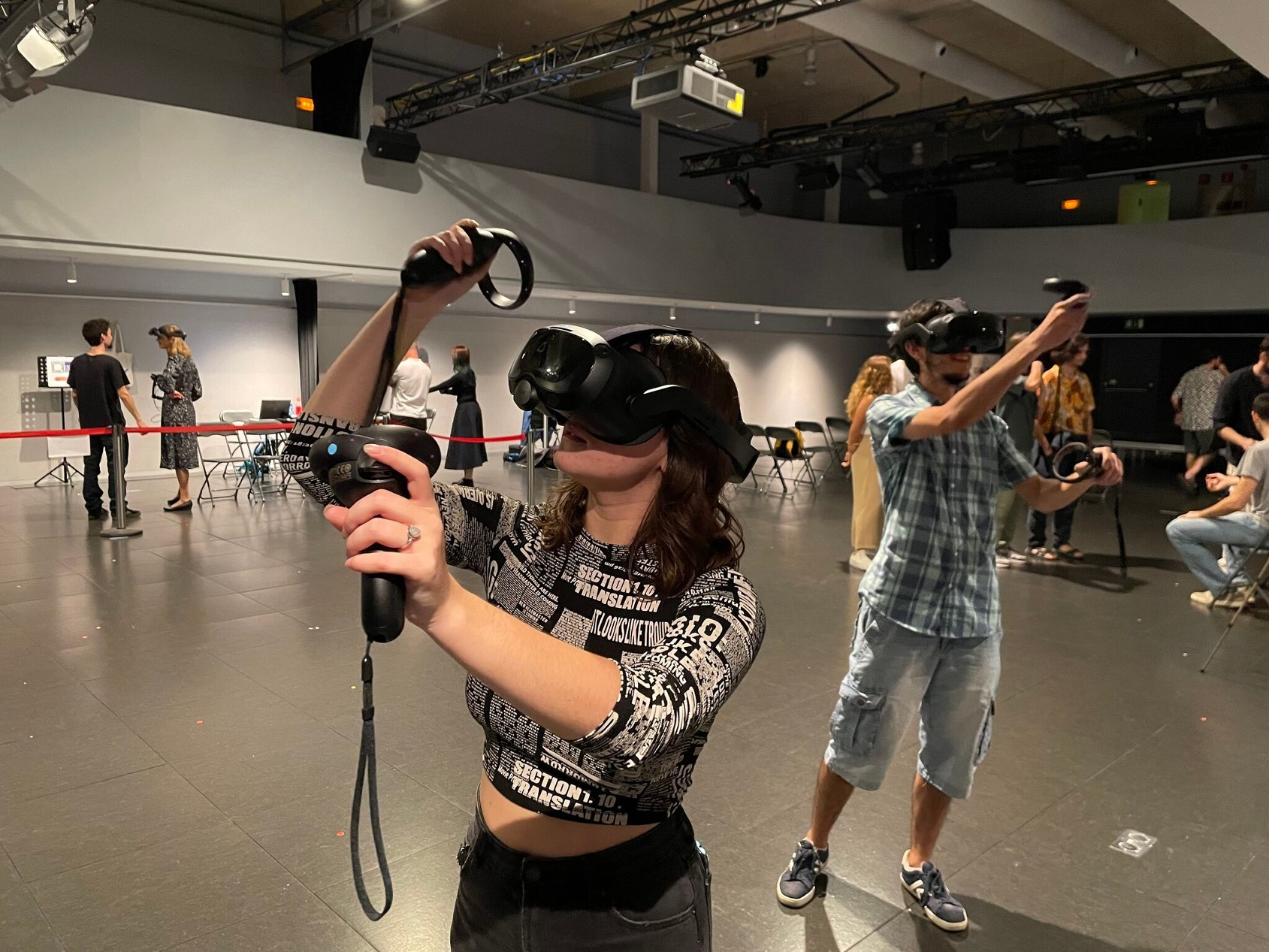
A location-based experience allows visitors to physically move through a defined real-world space while being immersed in a shared virtual environment. In Fate of the Minotaur, multiple players explore the labyrinth together, with their physical movement directly mapped into the virtual world. This creates a stronger sense of presence and social interaction than traditional seated VR, while introducing complex technical challenges in tracking, synchronization, and spatial design.
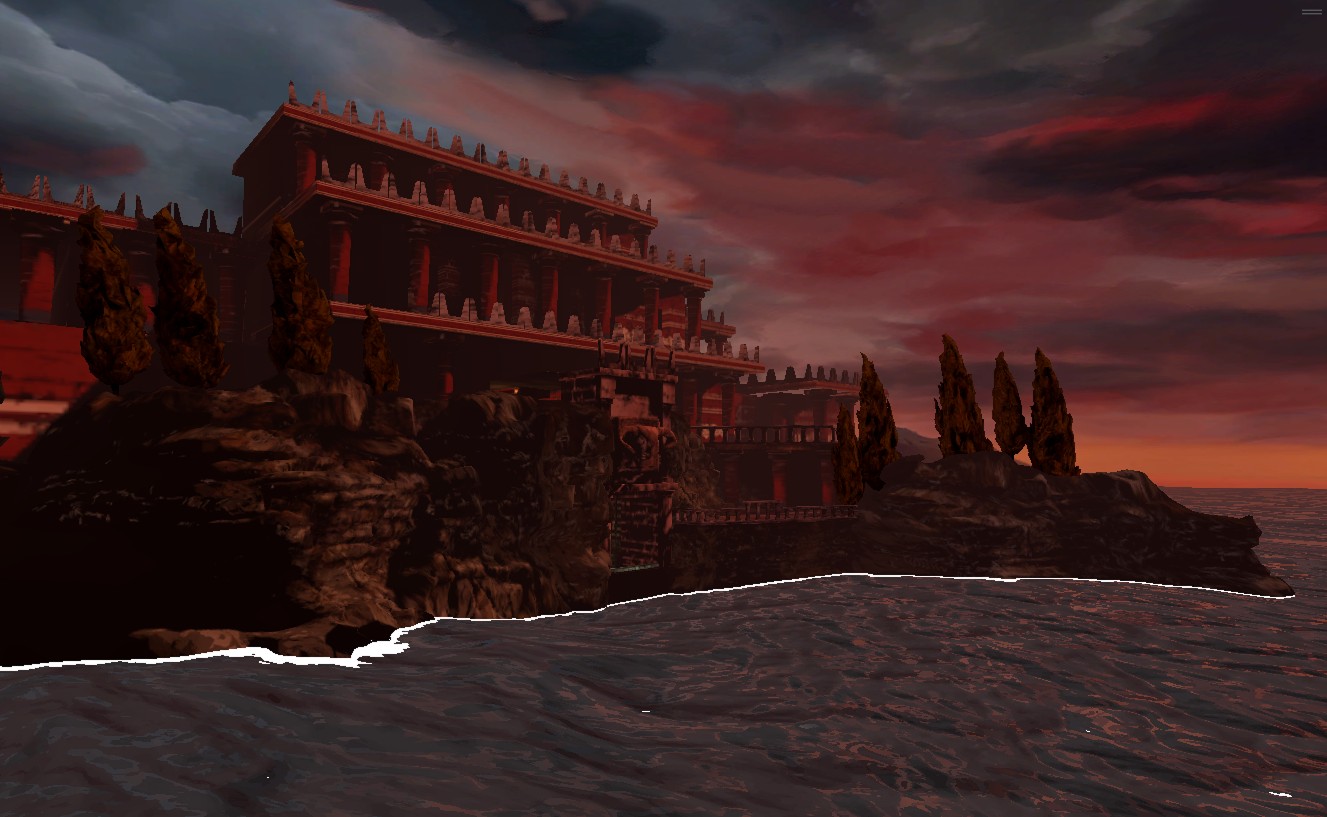
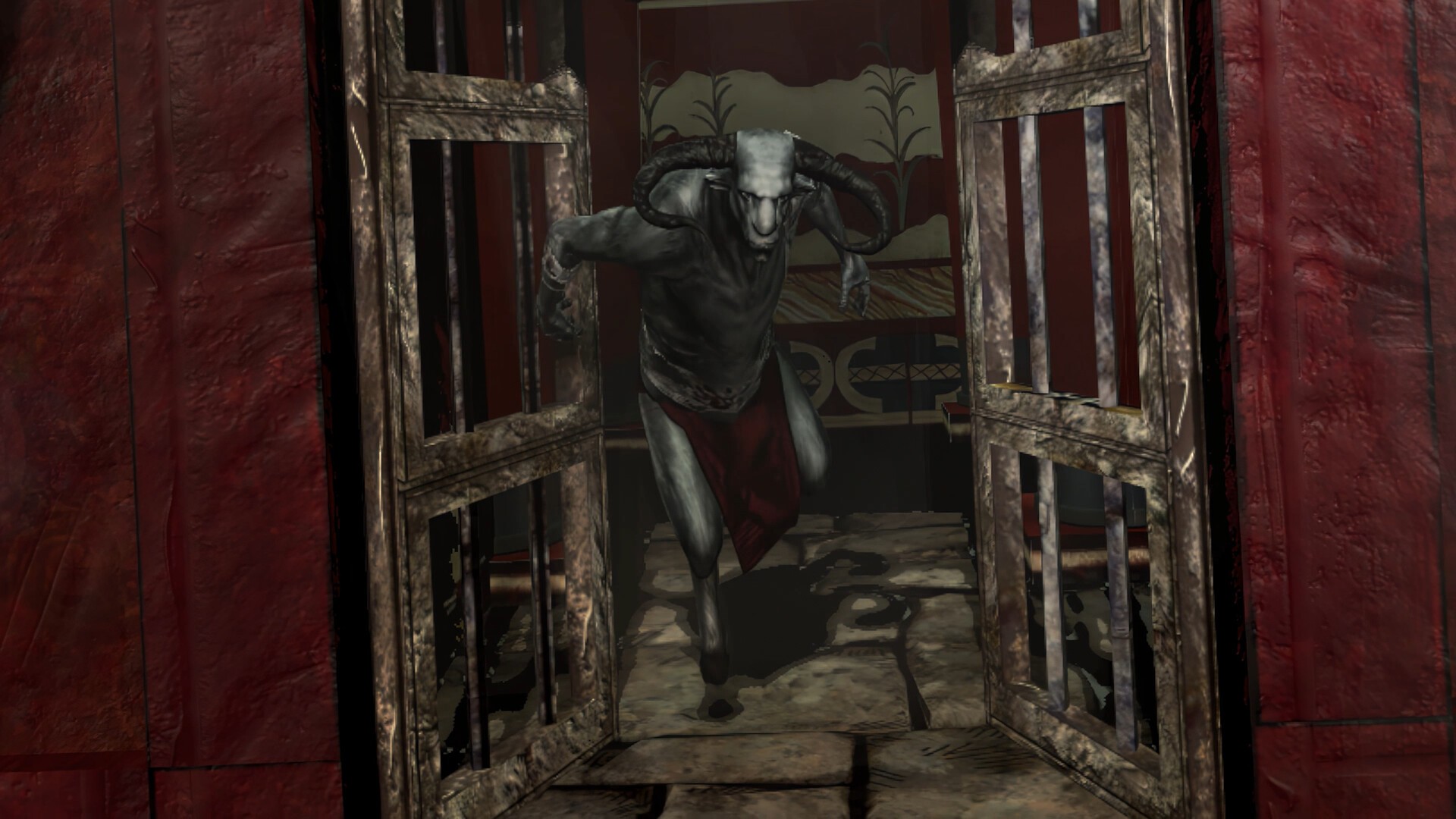
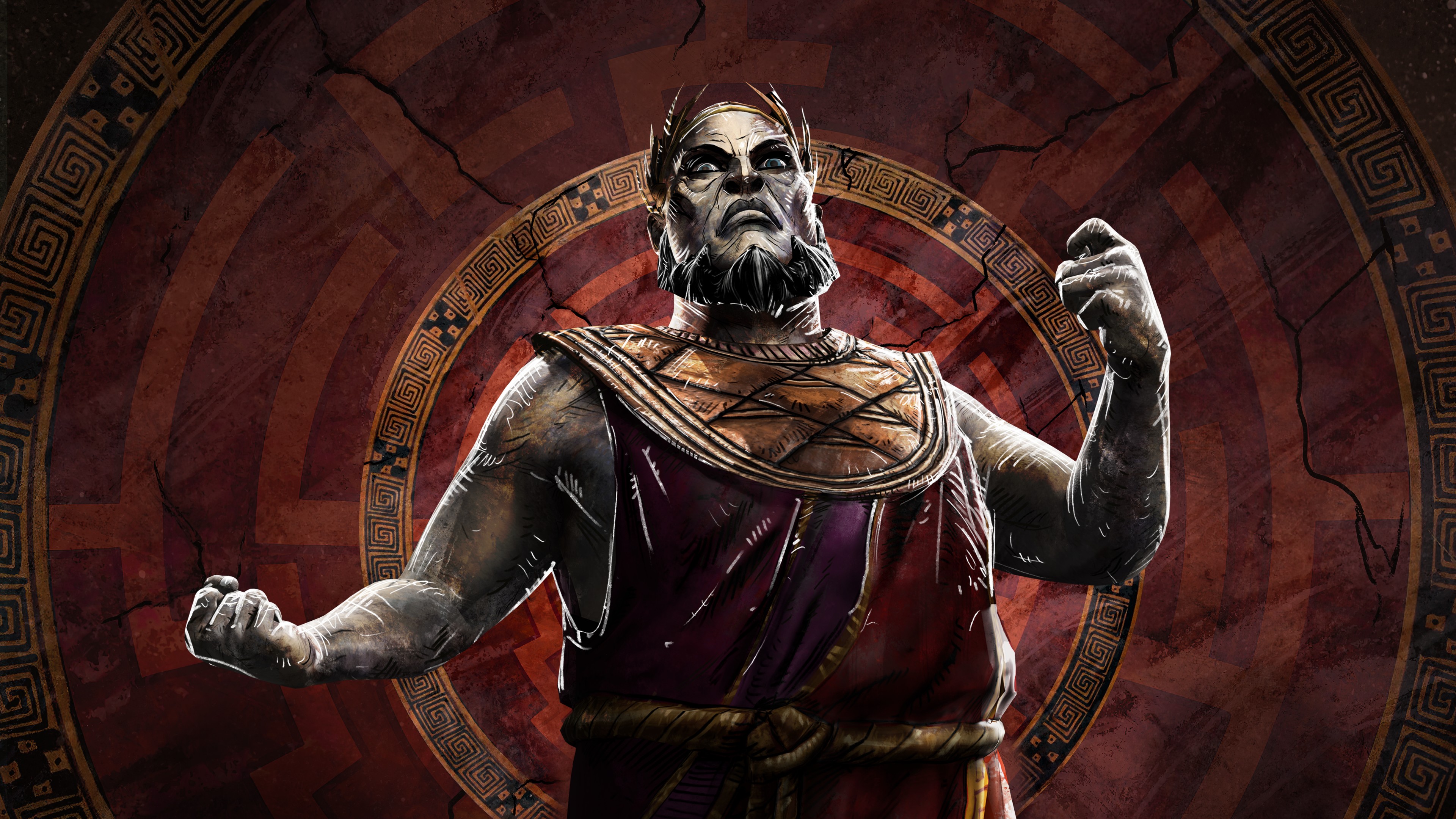
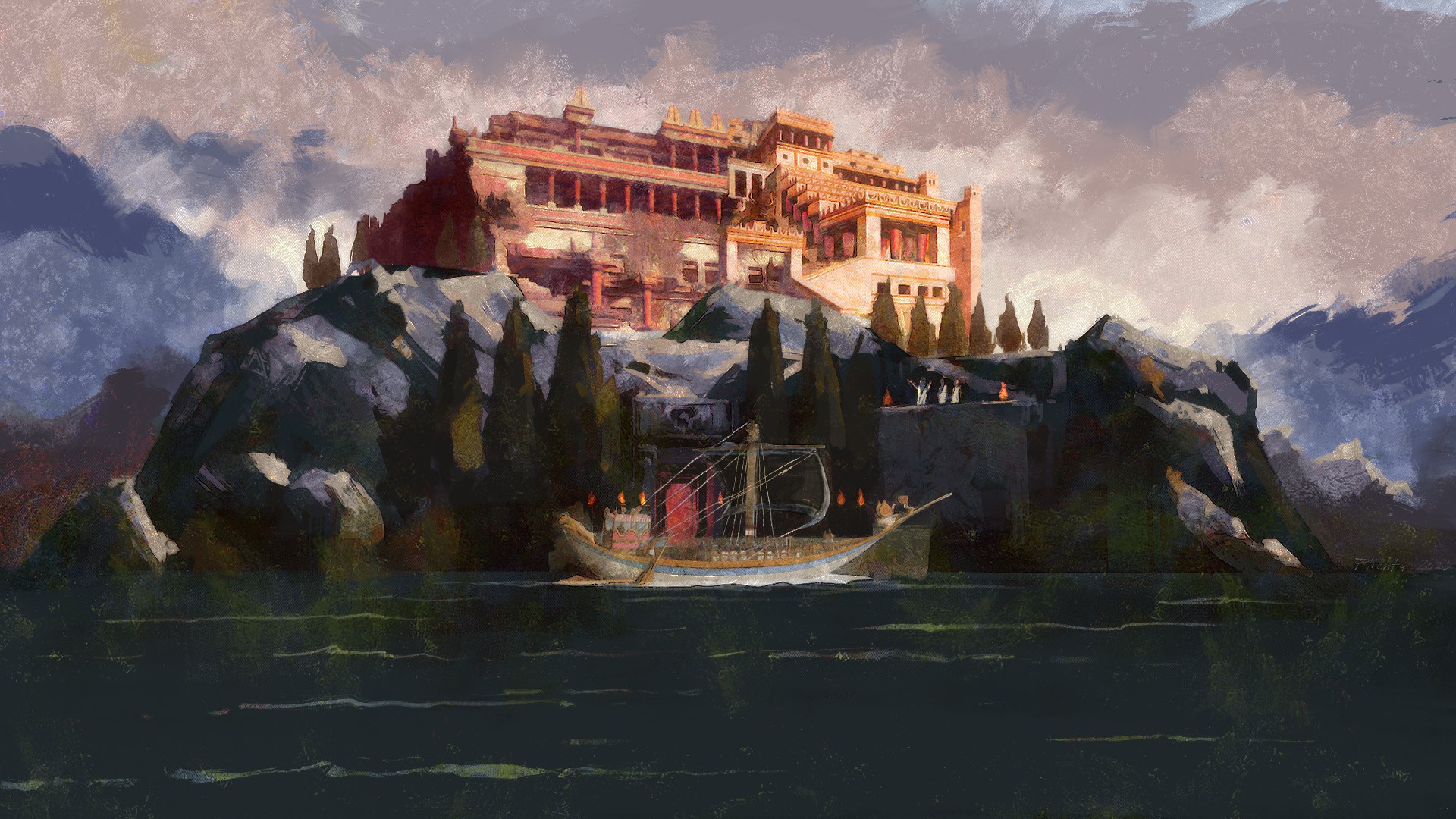
Because the VR system ran on a standalone HMD - meaning all processing occurred onboard, comparable to a high-end mobile device, achieving this freedom of movement while maintaining immersive graphics and smooth performance was a core challenge. The art style, inspired by ancient Greek pottery and murals, was deliberately chosen to balance visual clarity, narrative impact, and performance efficiency, allowing the experience to feel fully present and responsive without overloading the hardware.
Beyond its technical complexity, the location-based approach fundamentally shapes how the story of Fate of the Minotaur is perceived. The labyrinth is not merely observed but physically inhabited, turning movement, distance, and orientation into narrative elements. Encounters unfold at human scale, and decisions feel more immediate because players must physically approach, retreat, or stand their ground. This spatial embodiment strengthens emotional engagement and transforms mythological storytelling into a lived experience, where narrative tension emerges from the player’s physical presence within the world rather than from scripted camera movement or passive observation.
Technical Director
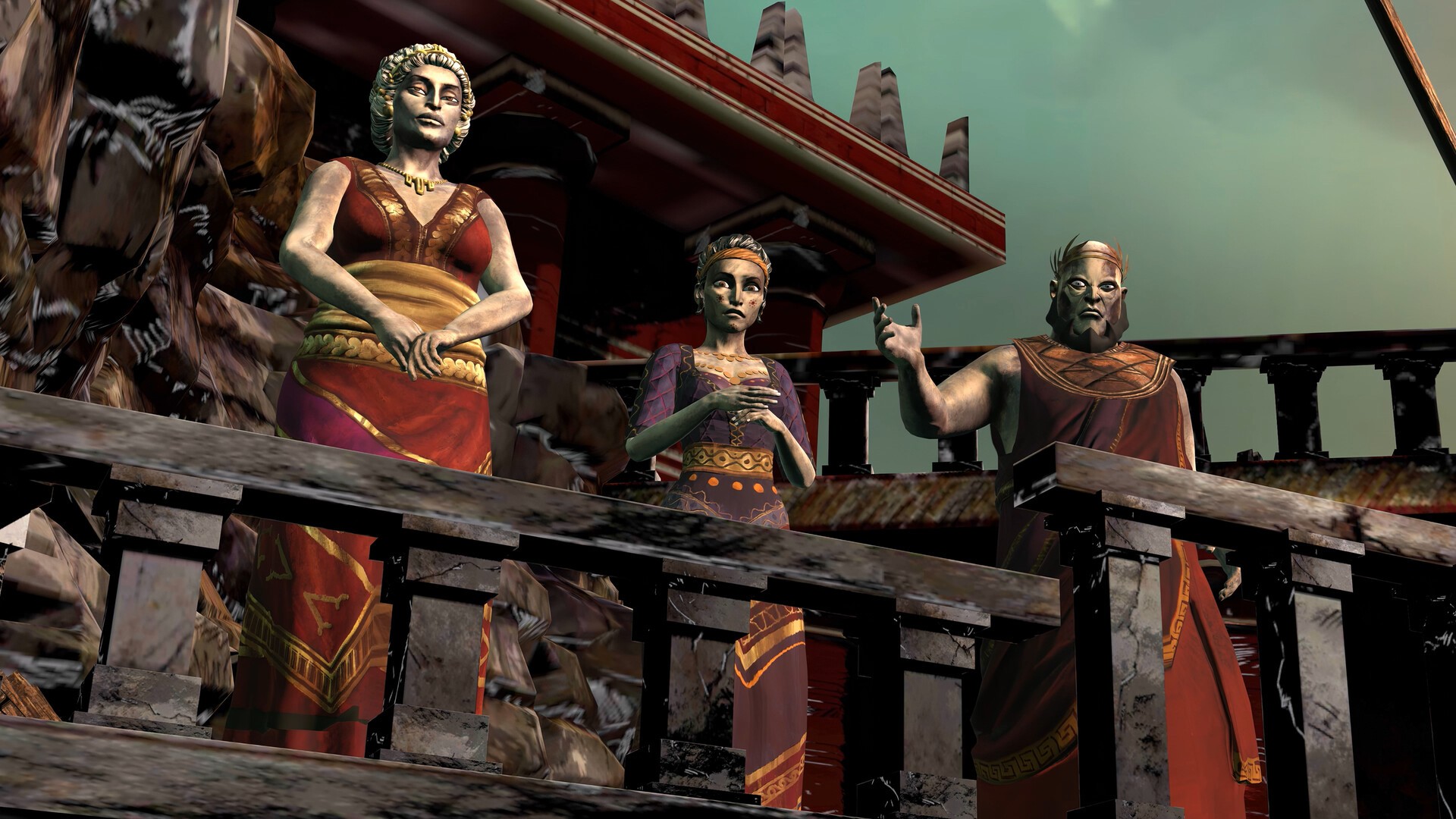
As Technical Director, my responsibilities spanned both creative and technical domains. I worked on 3D asset modeling and particle systems, while also designing and implementing the complete boss fight, including its mechanics, logic, and interaction flow. Beyond defined tasks, the project followed a collaborative research-driven structure, meaning technical direction was shared across disciplines and team members contributed across multiple areas of development.
The experience was developed in Unity and implemented as a multiplayer VR system, which was an emerging and evolving field during 2023-2024. A key innovation was the use of TRACER, an in-house framework developed by the Animationsinstitut research department. Working with TRACER introduced new workflows and required close collaboration between research and production, as the technology was actively evolving during development. This research-driven setup directly influenced system design, iteration speed, and technical decision-making.
YouTube embed blocked by your cookie settings.
SIGGRAPH and Exhibitions
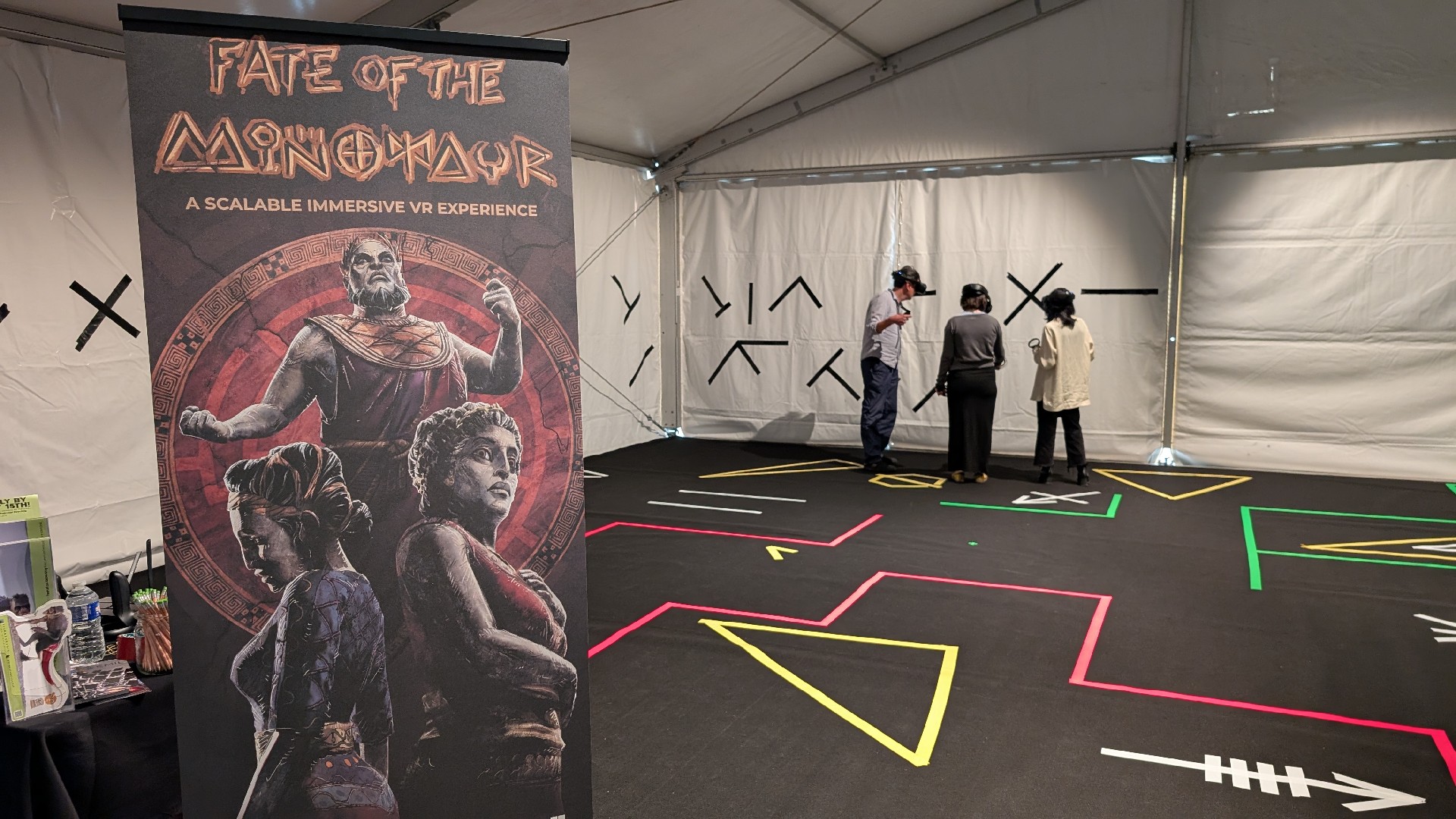
Fate of the Minotaur was selected as a Lighthouse project at SIGGRAPH 2024, where it was presented in the Immersive Pavilion, highlighting the project’s relevance within the international computer graphics and immersive media community. In addition, the project was showcased at FMX 2024, Ars Electronica 2025, and several other international exhibitions. I also contributed as a co-author to the associated SIGGRAPH paper, documenting the research findings and technical approach behind the experience. This recognition reflects the project’s combination of innovative technology, collaborative research, and immersive storytelling, positioning it as a notable example of location-based multiplayer VR in both research and practical applications.
Working on Fate of the Minotaur gave me hands-on experience developing in Unity, designing systems for multiplayer VR, and integrating research-driven frameworks like TRACER. Presenting the project at SIGGRAPH 2024, one of the most prestigious conferences in computer graphics and interactive media, was a unique opportunity to share our technical innovations and storytelling approach with an international audience. This experience solidified my understanding of high-performance VR development and research-driven production pipelines. If you want to try the game yourself, check it out on steam.